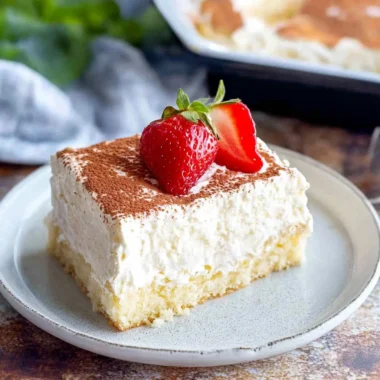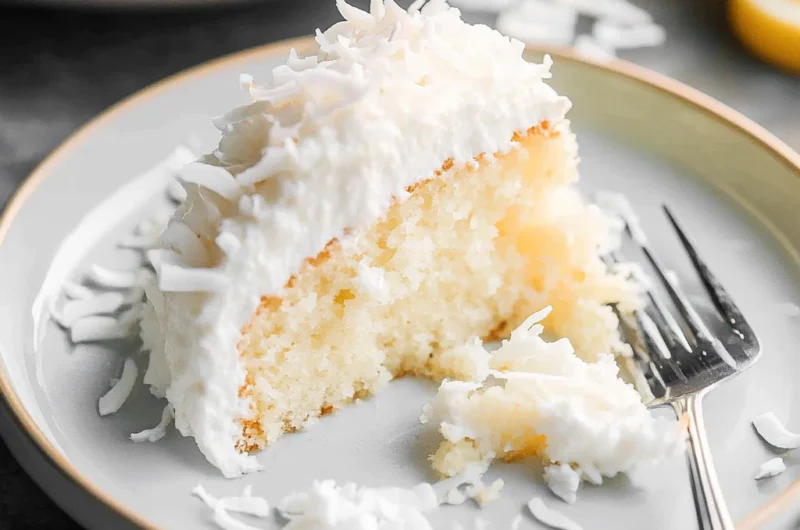
Imagine sinking your fork into a slice of Coconut Cake, where the sweet, tropical aroma envelops you like a warm hug on a sunny day. The first bite reveals a velvety texture, bursting with layers of creamy coconut flavor that dance playfully on your taste buds, bringing back memories of summer gatherings and carefree laughter.
This delightful dessert is the perfect centerpiece for any celebration, whether it’s a birthday bash or a cozy family dinner. Each mouthful promises to transport you to an island paradise, leaving you eagerly anticipating the next bite while sharing stories and smiles with loved ones over this irresistible treat.
Why is Coconut Cake so irresistible?
Delightful flavor: This Coconut Cake bursts with tropical sweetness, making every bite a mini-vacation!
Easy to make: With simple ingredients and straightforward steps, even beginners can impress.
Versatile indulgence: Perfect for birthdays, potlucks, or just because—everyone loves it!
Time-saving: Whip it up in under an hour and enjoy the compliments that follow!
Show-stopping presentation: Its fluffy texture and snowy frosting create a stunning centerpiece on any dessert table.
Coconut Cake Ingredients
For the Batter
- All-purpose flour – essential for structure; sift it for a lighter cake.
- Granulated sugar – balances the flavors and adds sweetness; feel free to adjust to your taste.
- Baking powder – helps the cake rise beautifully; make sure it’s fresh for best results.
- Salt – enhances all the flavors in your coconut cake; just a pinch makes a difference!
- Unsalted butter – adds richness and moisture; allow it to soften at room temperature before using.
- Eggs – bind the ingredients together; room temperature eggs help create a fluffier texture.
- Coconut milk – infuses the cake with tropical flavor; you can substitute with almond milk for a different twist.
- Shredded coconut – gives that signature coconut flavor and texture; opt for unsweetened for a more authentic taste.
For the Frosting
- Cream cheese – adds tanginess and creaminess to the frosting; let it soften for easy mixing.
- Powdered sugar – sweetens and thickens the frosting; sift it to avoid lumps.
- Vanilla extract – enhances overall flavor; use pure vanilla for the best aroma.
- Coconut flakes – sprinkle on top for decoration and extra coconut goodness!
Enjoy crafting your delightful coconut cake that’s sure to bring smiles to your family!
How to Make Coconut Cake
1. Preheat your oven to 350°F (175°C) and prepare two 9-inch round cake pans by greasing them with butter and lightly dusting with flour. This ensures an easy release after baking!
2. Mix the dry ingredients in a large bowl: all-purpose flour, baking powder, and salt. Whisk them together until well combined for a light and fluffy coconut cake.
3. Cream together the softened butter and sugar in a separate bowl until the mixture is pale and fluffy—about 3-5 minutes. This step is crucial for achieving that tender texture!
4. Add the eggs one at a time, mixing each in thoroughly before adding the next. You’ll want a smooth batter that’s well-blended and slightly aerated for best results.
5. Incorporate the coconut milk into the butter mixture gradually, mixing gently until just combined. This will add rich flavor and moisture to your coconut cake.
6. Fold in the dry ingredients slowly, ensuring no lumps remain. The batter should be thick yet pourable, with a lovely creamy consistency that’s dotted with shredded coconut.
7. Pour the batter evenly into the prepared cake pans and smooth out the tops with a spatula. Bake for 25-30 minutes or until a toothpick comes out clean from the center.
8. Cool the cakes in their pans for about 10 minutes before turning them out onto wire racks to cool completely. This helps retain moisture while preventing sogginess.
9. Prepare the frosting by beating together cream cheese, powdered sugar, and vanilla extract until smooth and creamy—perfectly sweet to complement your coconut cake!
10. Assemble by spreading frosting between layers and on top of your cooled cakes, then generously sprinkle additional shredded coconut on top for that extra touch of tropical delight.
Optional: Drizzle with coconut glaze for added sweetness.
Exact quantities are listed in the recipe card below.
Tips for the Best Coconut Cake
- Quality Ingredients: Use fresh coconut or high-quality coconut milk for a richer flavor that shines through in your coconut cake.
- Room Temperature Eggs: Always use room temperature eggs to ensure they blend well, creating a light and fluffy texture that is essential for a perfect coconut cake.
- Don’t Overmix: Mix your batter just until combined. Overmixing can lead to a dense cake, which is not what we want for a delightful coconut cake.
- Proper Cooling: Allow your cake layers to cool completely before frosting. This prevents melting and helps keep the frosting intact and beautiful.
- Frosting Technique: When applying frosting, start with a thin layer (crumb coat) to trap crumbs, then add a thicker layer for a smooth finish on your coconut cake.
How to Store and Freeze Coconut Cake

- Room Temperature: Keep your coconut cake covered at room temperature for up to 3 days. A cake dome works great to maintain its moisture and flavor.
- Fridge: For longer freshness, store in the fridge for up to a week. Wrap it tightly in plastic wrap or place it in an airtight container to prevent drying out.
- Freezer: Freeze slices of coconut cake for up to 3 months. Individually wrap each slice in plastic wrap, then place them in a freezer-safe bag for easy access later.
- Reheating: To enjoy your frozen coconut cake, thaw in the fridge overnight and bring it to room temperature before serving, ensuring it stays deliciously moist.
Coconut Cake: Fun Twists Ahead
Get ready to elevate your baking game with these delightful twists that will make your dessert sing!
- Dairy-Free: Substitute coconut milk for regular milk for a rich, creamy flavor that keeps it light and fluffy. This swap not only enhances the tropical taste but also makes it suitable for lactose-intolerant friends.
- Gluten-Free: Use a gluten-free flour blend instead of all-purpose flour to cater to those with gluten sensitivities. The result is a moist cake that everyone can enjoy without sacrificing taste.
- Chocolate Drizzle: Add a melted dark chocolate drizzle on top for an irresistible contrast. This sweet addition will surprise and delight, making each slice even more decadent.
- Lemon Zest: Incorporate fresh lemon zest into the batter for a zesty burst of flavor that brightens every bite. This refreshing twist balances the sweetness beautifully, offering a delightful surprise.
- Pineapple Chunks: Fold in crushed pineapple for added moisture and a tropical twist. The juicy bits create a lovely texture, elevating your cake to new heights of deliciousness.
- Spicy Kick: Sprinkle in some cayenne pepper or ground ginger for a hint of heat. This unexpected addition adds depth and complexity, leaving your taste buds dancing with joy.
- Nutty Crunch: Top with toasted shredded coconut or chopped nuts for added texture and flavor. This crunchy layer brings not only visual appeal but also an exciting contrast to the soft cake.
Make Ahead Options
Coconut Cake is a delightful treat that shines during celebrations, and the good news is, it’s perfect for meal prep! You can prepare the cake layers up to 3 days in advance. Simply bake the layers, then cool them completely before wrapping each layer in plastic wrap and storing them in the refrigerator. For best results, frost your Coconut Cake no more than 24 hours before serving to ensure that the frosting remains fresh and fluffy. If you want to go the extra mile, you can also make the coconut cream filling a day ahead; just store it in an airtight container in the fridge. This not only saves you time but also enhances the flavors as they meld together beautifully. When you’re ready to serve, simply layer and frost your Coconut Cake for a stunning dessert that tastes freshly made!
Coconut Cake Recipe FAQs
What type of coconut is best for a Coconut Cake?
For the best flavor and texture, use unsweetened shredded coconut. It provides a rich coconut flavor without overwhelming sweetness. If you prefer a little extra sweetness, feel free to mix in some sweetened coconut flakes.
How should I store my Coconut Cake?
Store your Coconut Cake in an airtight container at room temperature for up to 3 days. If you live in a particularly humid climate, it’s best to refrigerate it, where it can last for about a week. Just be sure to let it come back to room temperature before serving for the best taste!
Can I freeze leftover Coconut Cake?
Absolutely! Wrap individual slices or the whole cake tightly in plastic wrap and then in aluminum foil to prevent freezer burn. It can be frozen for up to 3 months. When you’re ready to enjoy it again, simply thaw it overnight in the refrigerator and let it sit at room temperature for an hour before serving.
Why did my Coconut Cake sink in the middle?
A sinking cake can happen if the batter is overmixed or if there are too many wet ingredients. Ensure you’re mixing just until combined and measuring accurately. Also, make sure your baking powder is fresh—old leavening agents can lead to disappointing results!
Is there a gluten-free option for this Coconut Cake?
Yes! You can easily make this Coconut Cake gluten-free by substituting all-purpose flour with a 1: 1 gluten-free flour blend. Make sure the blend contains xanthan gum or add 1/2 teaspoon per cup of flour substitute for better structure.
Can I add fruit or other flavors to my Coconut Cake?
Certainly! Adding crushed pineapple, lemon zest, or even a splash of coconut extract can elevate your cake’s flavor profile beautifully. Just be sure not to add too much moisture; you want your cake to remain fluffy and light!